
Build an approval‑ready credit profile
Understand what’s driving your credit decisions, identify items that may be unfair or inaccurate, and take a structured next step toward stronger approvals and better terms.
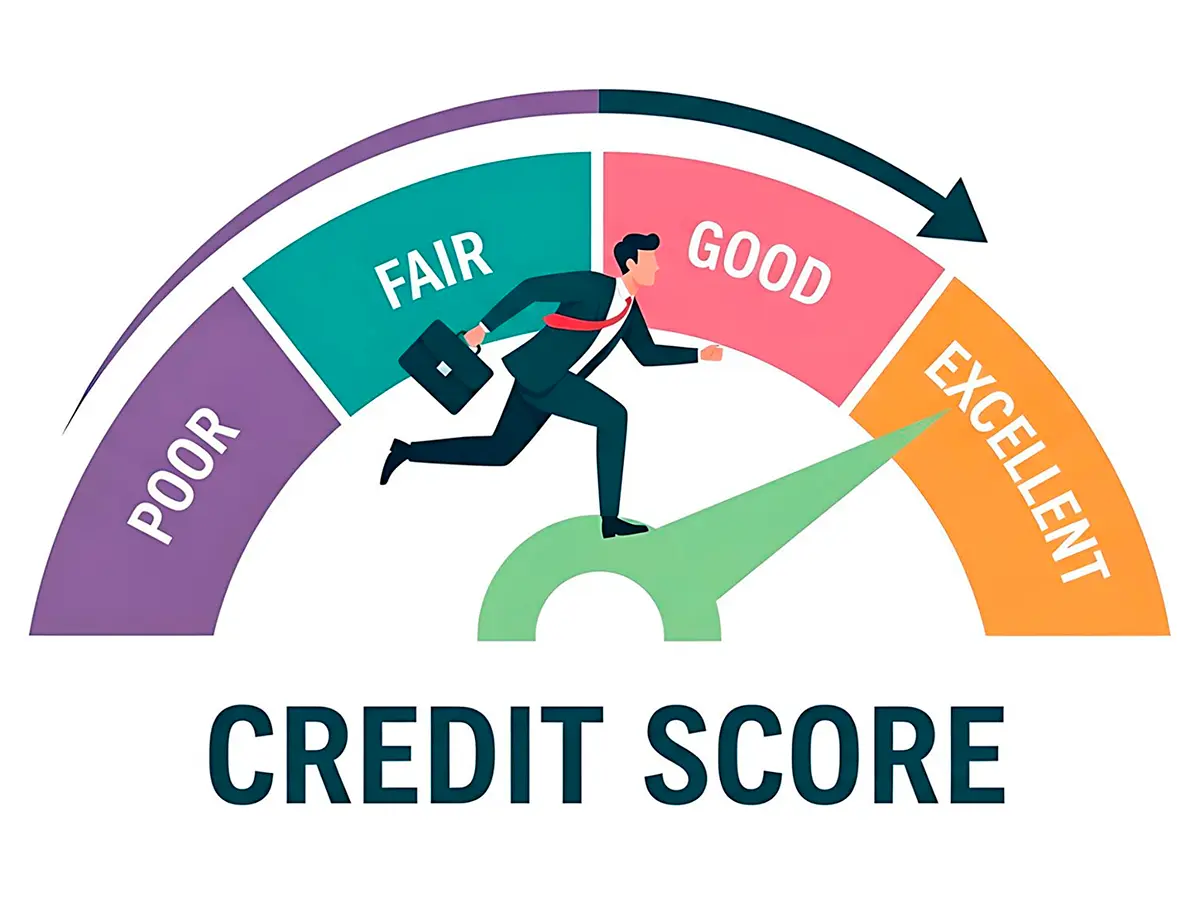
Built around established U.S. credit reporting practices and dispute procedures under the Fair Credit Reporting Act (FCRA). No unrealistic promises—just clarity, documentation, and structured credit improvement.
Unlock more options
Choose the outcome you care about. We’ll outline what improves it—and what to watch for—so you can move forward with confidence.
Your path to stronger credit
A stronger credit profile can mean better approval odds, improved loan terms, and more financial flexibility. Get a clear, no-fluff overview of what credit improvement can help you achieve — then take the next step when you're ready.
Credit decisions in the U.S. are typically influenced by payment history, utilization ratios, account age, recent inquiries, and the accuracy of reporting across major credit bureaus.
Even small inconsistencies can affect lending algorithms. A structured credit improvement approach focuses on verified data, responsible usage patterns, and consistent financial behavior.
*Results vary. This page does not guarantee outcomes.
How it works
A straightforward workflow used by reputable credit‑support programs: review, challenge what’s questionable, and build stronger habits while updates are processed.

Review your starting point
Clarify your goal and look at what’s currently affecting approvals and terms.

Identify what can be challenged
See what information is typically needed, what to expect next, and how the workflow usually looks.

Move forward
Continue to explore available options and take the next step toward better credit outcomes.
how to clean my credit report fast: a step-by-step comparison guide
Set priorities in the first 60 minutes
Your fastest wins come from sharp triage. Pull all three reports (Equifax, Experian, TransUnion), then make a two-column list: clear errors versus legit negatives. Speed matters, but here's the calm second thought: rushing disputes on accurate items wastes time and can backfire. Focus on items that are wrong, outdated, duplicated, or unverifiable.
- Priority A: Wrong late payments, accounts that aren't yours, duplicate collections, balances that don't match statements, mixed files (name/address errors).
- Priority B: High credit utilization, small collection balances you can resolve quickly, goodwill opportunities on recent lates.
Step-by-step actions
- Gather reports and ID details. Download each bureau's report. Confirm your legal name(s), addresses, and employers. Fixing identity data reduces future mismatches.
- Mark high-impact negatives. Circle recent 30/60/90-day lates, collections, charge-offs, public records. Note the bureau and furnisher for each.
- Dispute clean errors first. Use bureau portals or mail. Be specific: "Late payment reported 05/2024 on Account XXXX is inaccurate; statement shows on-time. See enclosed." Attach statements, screenshots, or letters. Keep a tracking spreadsheet with dispute date and response due (usually 30 - 45 days).
- Tackle balances that move your score fast. Pay down revolving cards to below 30% utilization (under 10% is better). If cash is tight, target the card reporting soonest. Consider a credit limit increase request on accounts in good standing; it lowers utilization without new debt.
- Resolve small collections strategically. Ask the collector about pay for delete (not universal, but worth a careful, written ask). If it's a paid medical collection under newer rules, verify it should be removed.
- Goodwill for recent lates. If you have a solid history, send a short, respectful goodwill letter to the creditor explaining the one-time slip and requesting a courtesy adjustment.
- Scrub inquiries and data. Dispute only unauthorized hard inquiries. Remove outdated addresses that tie you to someone else's accounts.
- Escalate smartly. If a bureau or furnisher ignores evidence after the window, file a concise complaint with CFPB. Keep everything documented.
What works fastest vs what helps most
- Fastest (days to a couple weeks): Lowering utilization, successful rapid rescoring through a lender during a mortgage process, correcting obvious identity errors.
- Medium (2 - 6 weeks): Bureau disputes with strong documentation, pay-for-delete outcomes, goodwill adjustments.
- Longer (months): Building new positive history, aging out old negatives, systematic clean-up across furnishers.
A quick real-world moment
On a lunch break, I paid a $320 balance on the card scheduled to report next week, then asked for a small limit bump. The statement cut five days later; the new utilization hit my report within the week, and my lender's simulator reflected the change before my weekend preapproval call.
Choose your path
- DIY: Free and fast for clear errors and utilization fixes. Requires organization and evidence.
- Lender rapid rescore: Useful when a mortgage is imminent and you have proof of updates (paid-down balances, corrected errors). It doesn't create changes; it accelerates reporting.
- Credit repair services: Can manage paperwork, but they can't legally do anything you can't. Select only if you lack time, and avoid promises of specific score boosts or guaranteed deletions.
Make the next 48 hours count
Select your top three actions: 1) Dispute the cleanest error with documents, 2) Drop utilization on the next-reporting card, 3) Attempt a pay-for-delete on a small collection. Then calendar follow-ups for 10, 30, and 45 days. Quick doesn't mean careless; it means prioritized, documented, and sequenced.
Get Your Credit Restored HERE: https://takeofffinancial.com/schedule-with-us/?el=Clean-Your-Credit-Report-in-90-Days&htrafficsource=youtube.
Here Is The Link To Get The Credit Reports To Get Started https://bit.ly/CreditMonitoring_CV Grab Your Credit Report For $1: ...
Unfortunately, there's no way to quickly clean your credit reports. Under federal law, the credit bureaus have 30 45 days to conduct their ...
Frequently asked questions
A clear next step — without the guesswork
See what’s impacting approvals and what may deserve a closer look.
Understand how disputes are structured and what documentation matters.
Improve utilization, consistency, and long-term credit stability.
See what improving your credit could change
Take a structured next step based on your current profile — and decide with clarity.